



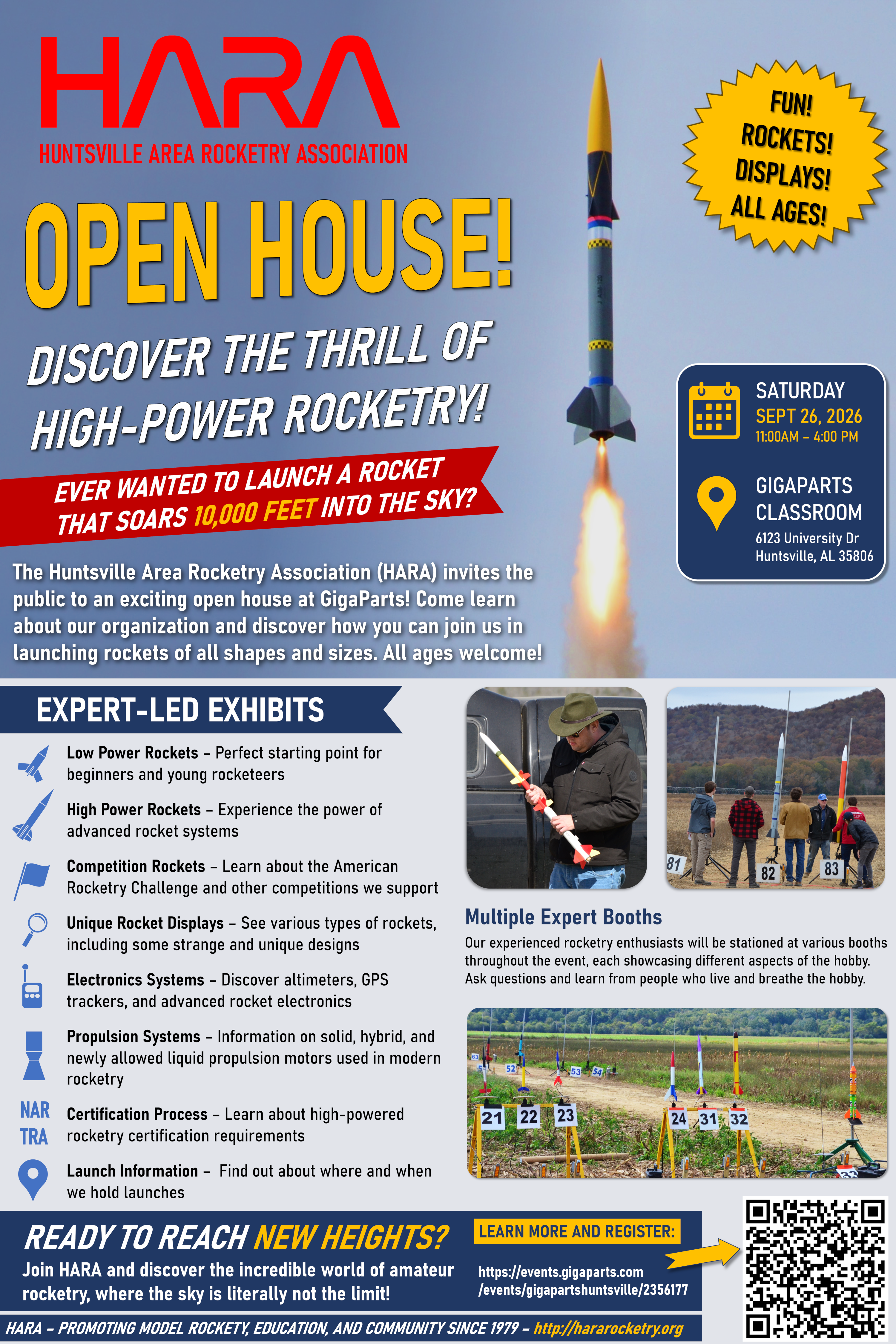
Asbury Cub Launches
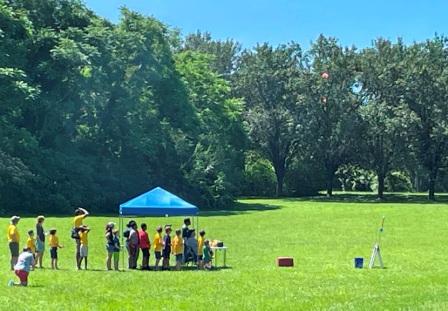
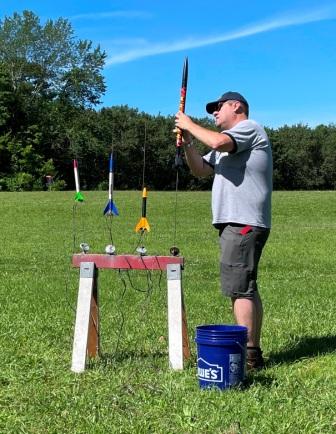
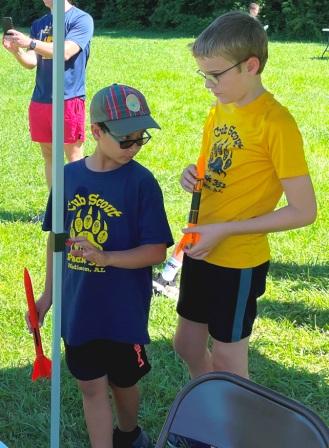
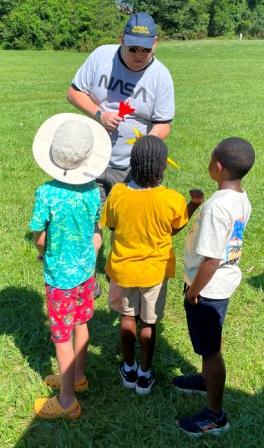
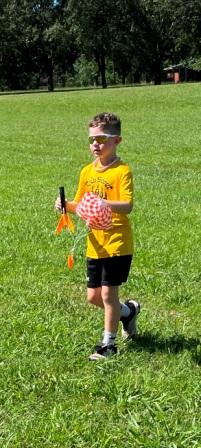
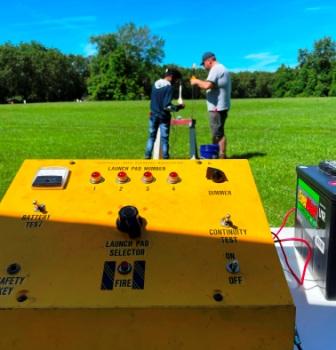
HARA supported the Asbury Cub Scout Troop again this year on 6/13. Akhil, Blake and Vince ran the range firing about sixty models into the calm humid sky with only two rockets getting claimed by the trees. The flight success rate was good considering the age of the kids. The scout’s page is https://www.facebook.com/pack351madison
Category: Outreach |
No Cigar in ARC Nats
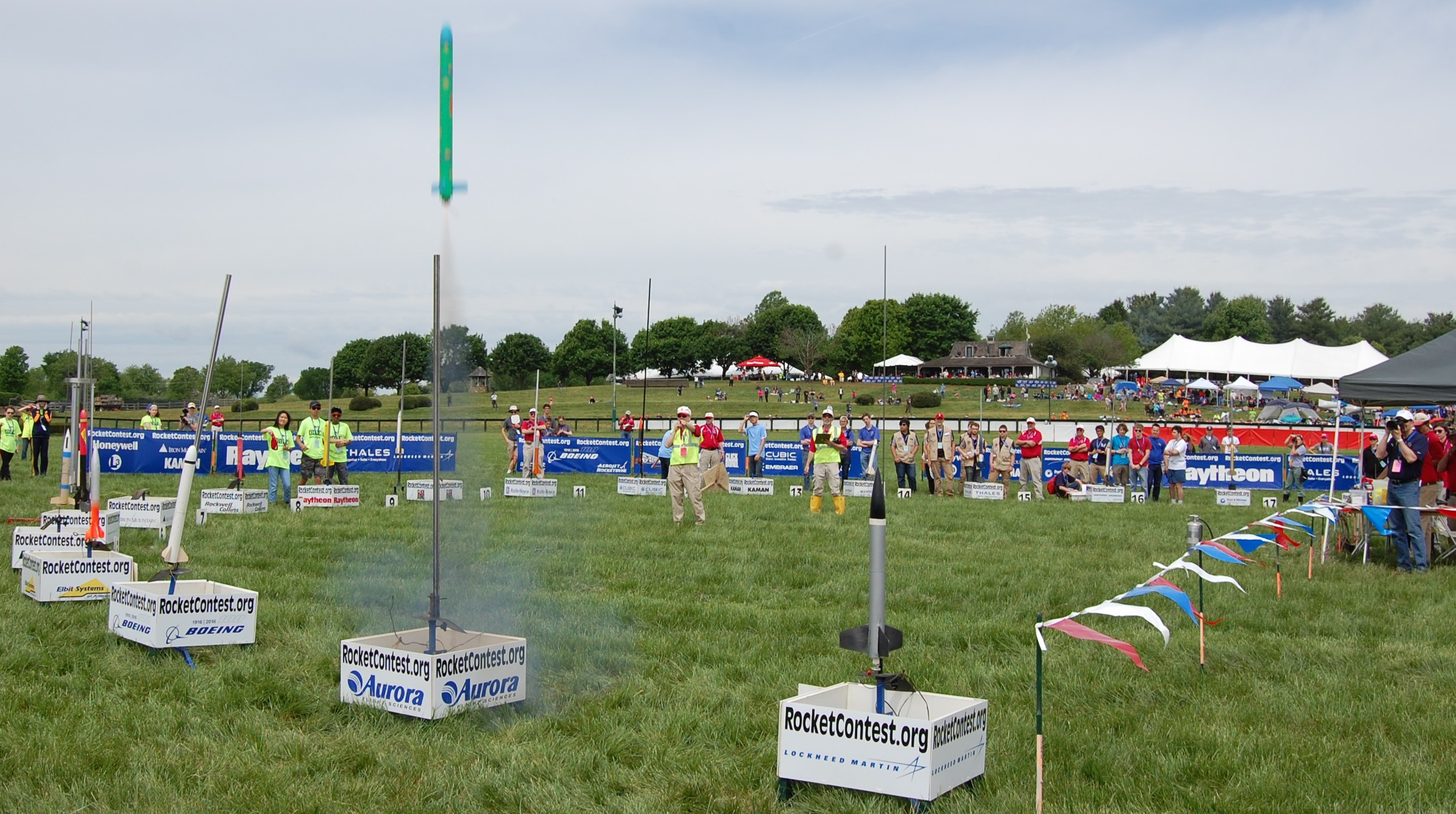
For the first time in several years Alabama teams that went to the finals of the American Rocketry Challenge in Virginia finished out of the money and even out of the second round. One consolation is Bob Jones High School placed second in a video contest and won $1500, but in the main event their rocket’s parachute failed and they disqualified. The other teams ranking was:
51 Russellville High School Russellville 43
54 Tharptown High School Russellville 45.56
56 Muscle Shoals High School Muscle Shoals 47
70 Hackleburg High School Hackleburg 79.2
Despite the record number of teams registered nationally our state had fewer qualify this year. The design and flight challenge was not particularly hard, but getting a better score than the rest of the teams was, with the winning scores in the single digits.
Category: TARC |
SLI Launch Moved Forward
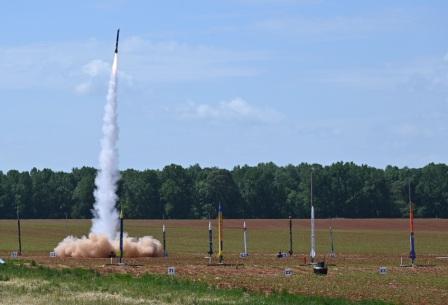
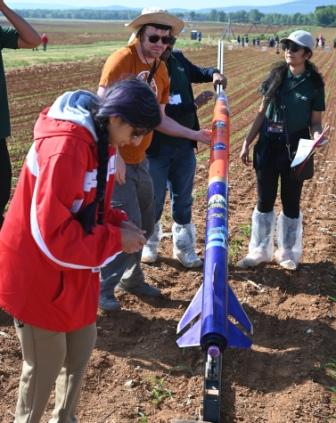
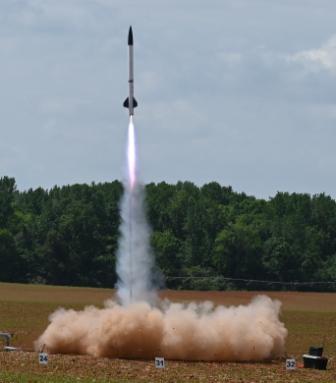
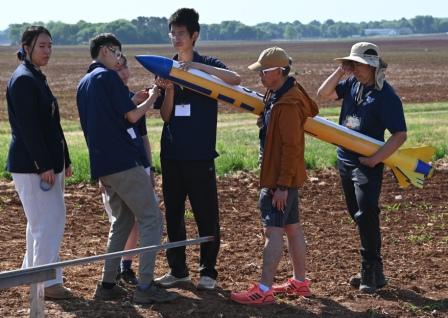
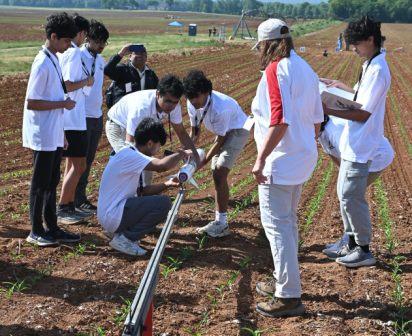
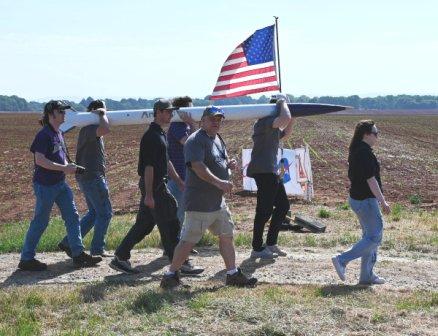
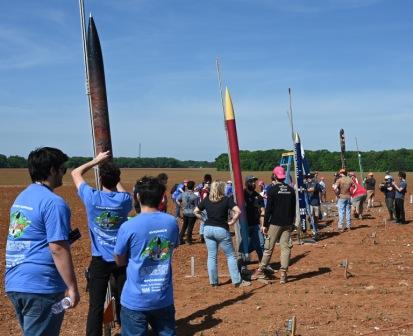
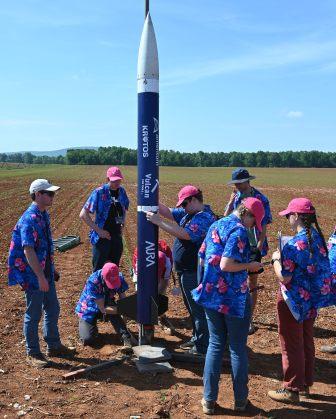
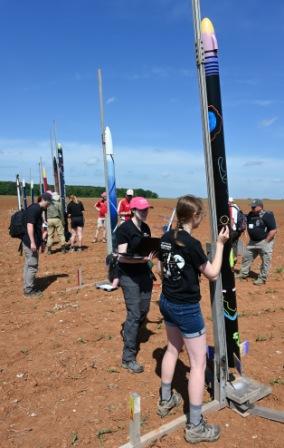
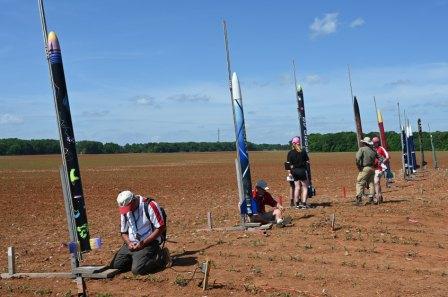
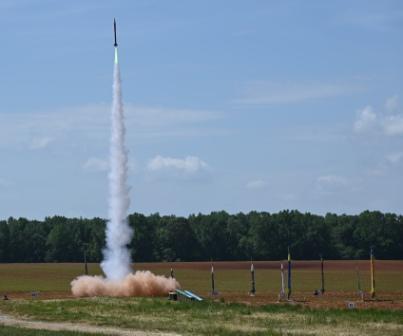
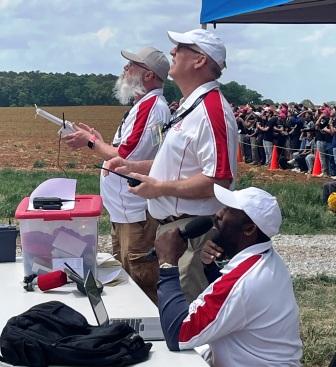
For the first time in its 26 years the SLI launch was moved up a day instead of slipping one. The weather forecast for Saturday looked ominous with Sunday likely to have a muddy field so NASA did what it has never done with the program and opted to fly early. The Friday sky was great and allowed a comfortable launch operation after the rescheduling scramble and got all the rockets launched in two rounds. The Friday Rocket Fair unfortunately was canceled completely as it could not be swapped back a day at the Civic Center. Saturday’s weather turned out to be unsettled but it did not rain.
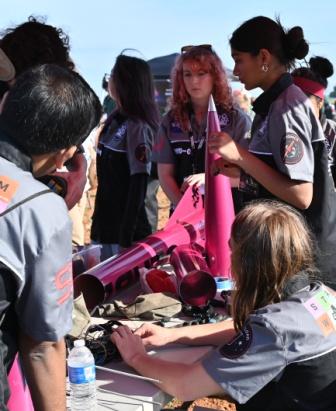
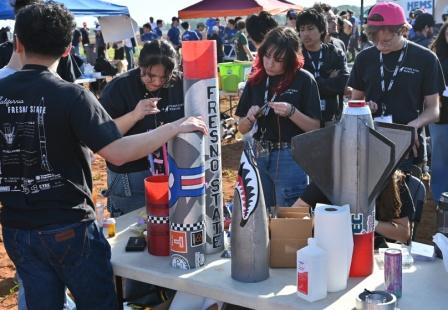
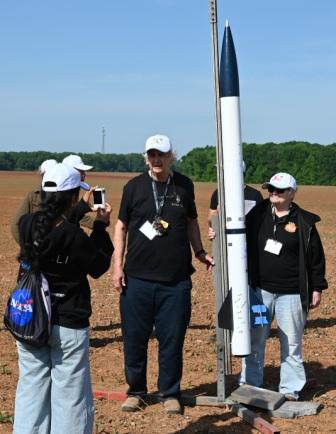
Given that Student Launch and all NASA STEM operations were defunded last year it’s a wonder the program survived, but a lean version of it did. The thirty teams of colleges and high schools who could be accepted benefited as always from the rocketry experience. NAR again provided the range equipment and crew, review and inspection teams and mentoring expertise with HARA members offering local section support.
Category: Launches |
Five Alabama ARC teams make Finals
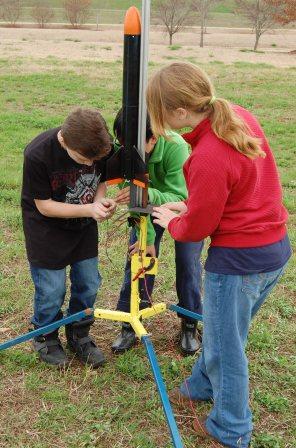
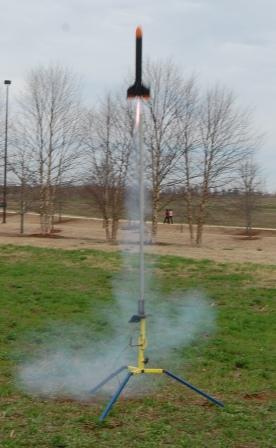
A record breaking 1,107 teams participated in the 2026 American Rocketry Challenge but five state teams made the top 100 to advance to the National Finals on May 16 in Manassas, VA, for $100,000 in awards and the title of National Champion. The winning team will represent the United States and compete at the International Rocketry Challenge in July at the Farnborough UK International Airshow 2026.
The teams that made the cut were all from north Alabama: Bob Jones High School, Hackleberg H.S., Muscle Shoals H.S., Russellville H.S., and Tharptown H.S. Three of the schools, Muscle Shoals, Russellville and Tharptown were at the Nats last year with Russellville coming in seventh place. Bob Jones last went to the Finals in 2010 and came in third. Hackleberg placed 16th in 2023. Congratulations to these schools and a nod to the other 28 Alabama teams who built rockets for ARC.
The cutoff score for the top 100 was 23.28 which is the total of the two best flights submitted. Last year the break was at 28.6, showing this year was a tighter contest.
Category: TARC |
Propelled into Spring
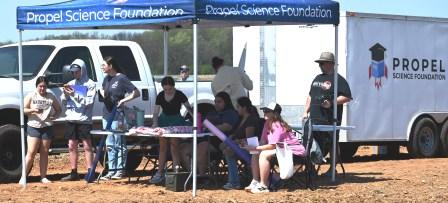
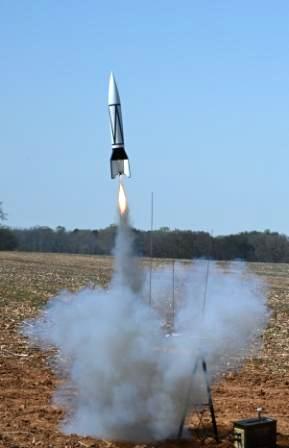
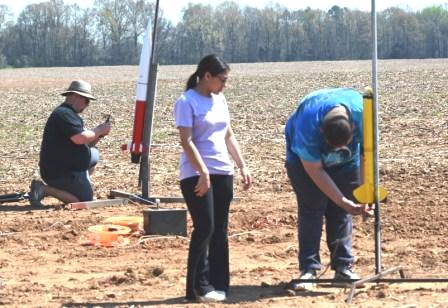
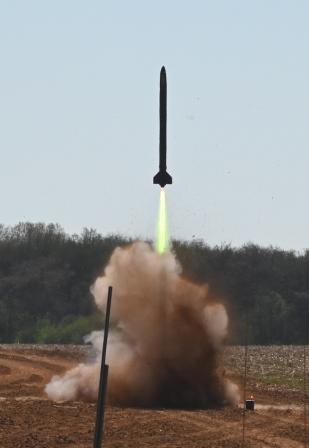
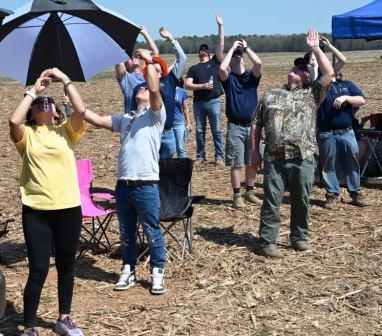
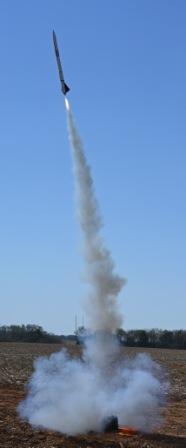
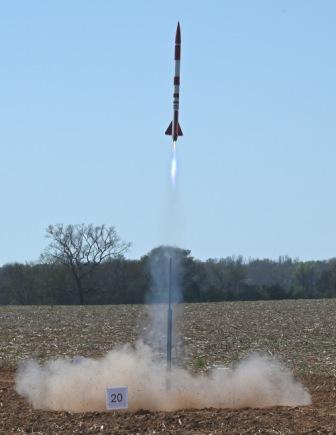
The 3/21 launch hosted by Propel Science at Town Creek was mostly high power rockets. There were two ‘L’ motor flights, one by UAH and the other for a certification which passed nicely. There were also several ARC flights for practice and qualification. Other various sport flights challenged the March wind but stayed within the field.
Category: Launches |
Perfect Pi Day
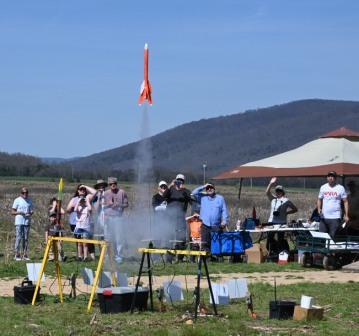
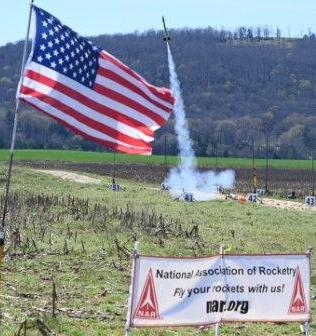
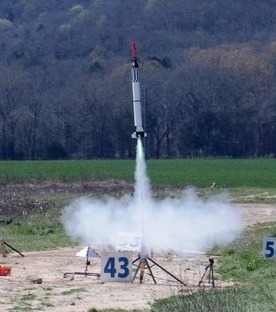
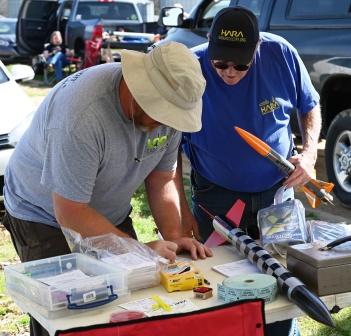
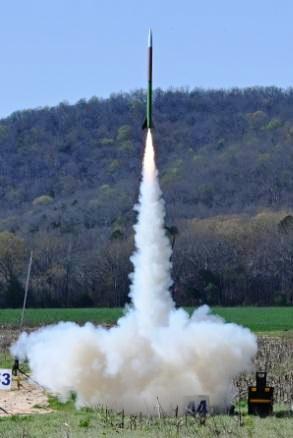
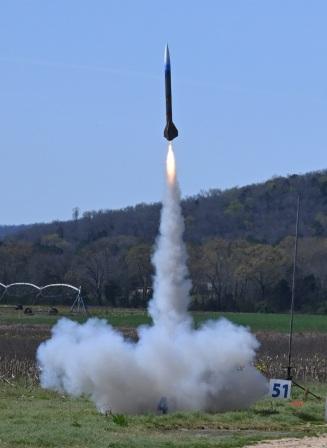
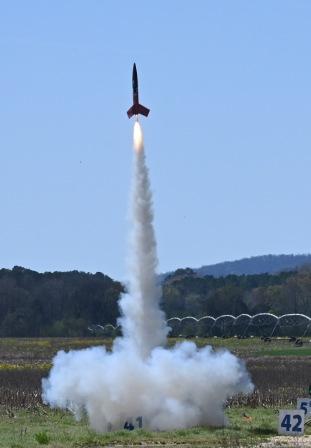
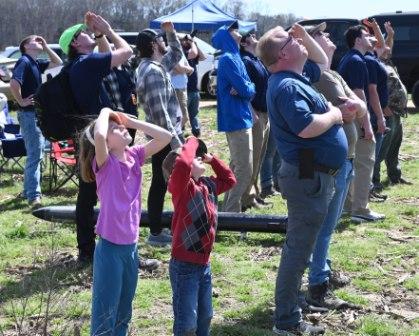
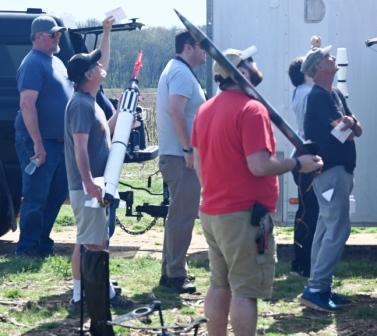
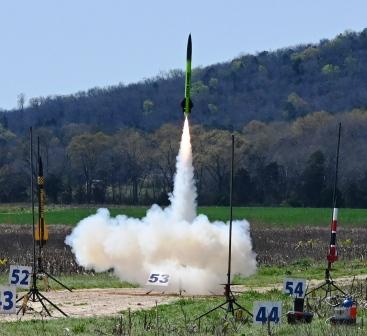
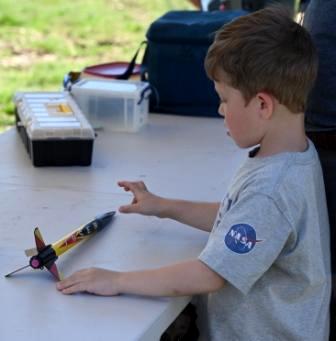
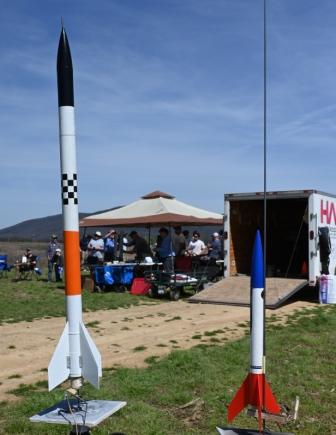
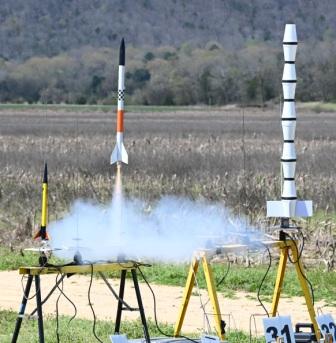
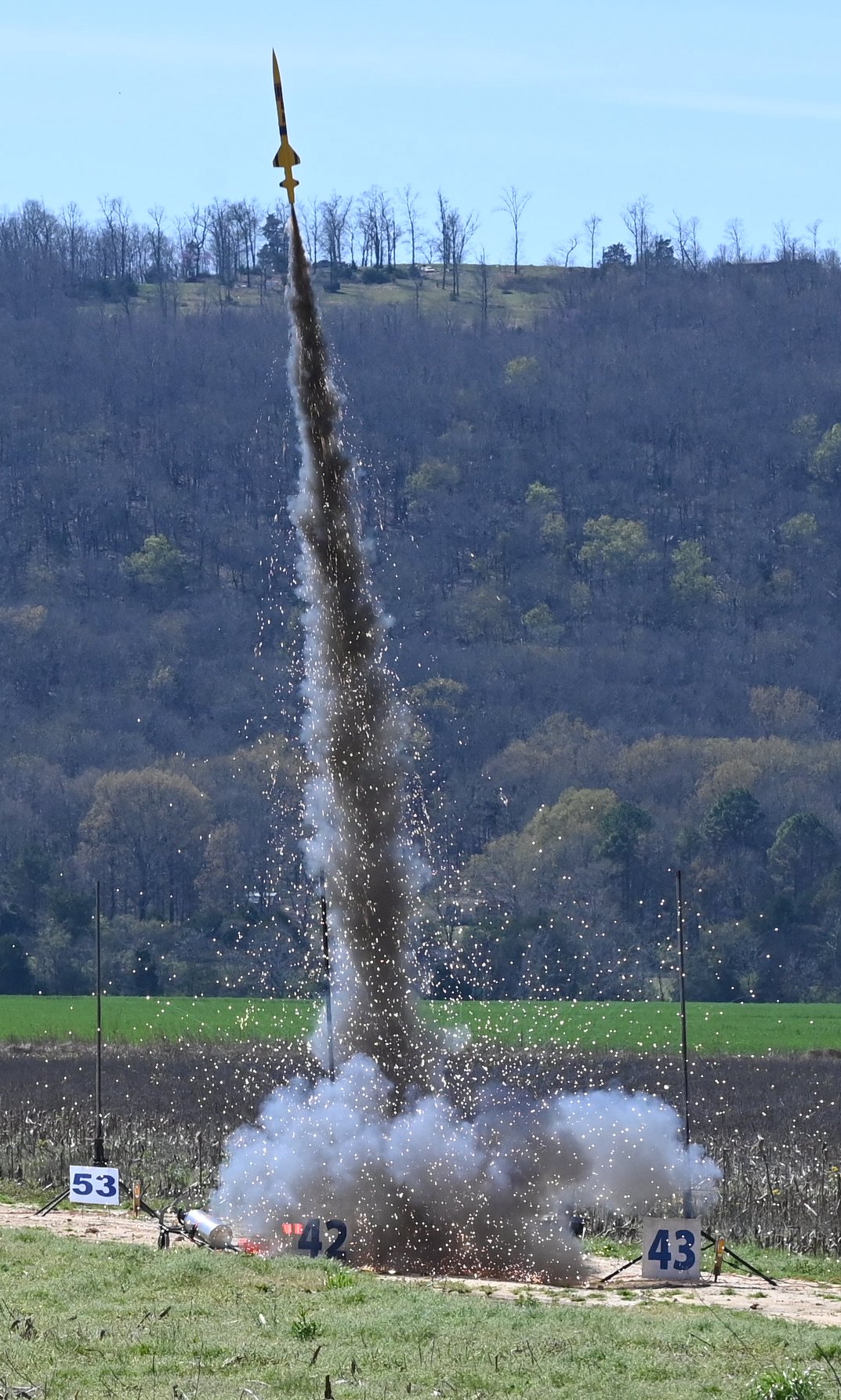
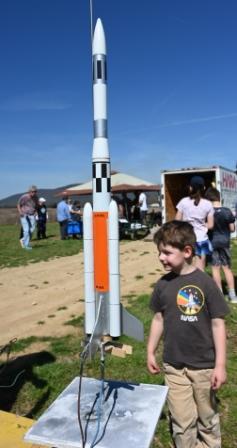
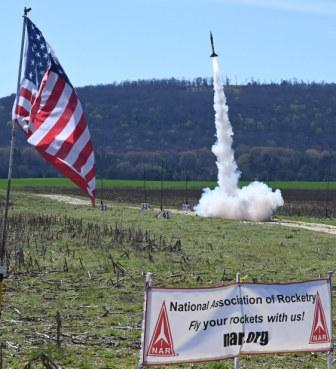
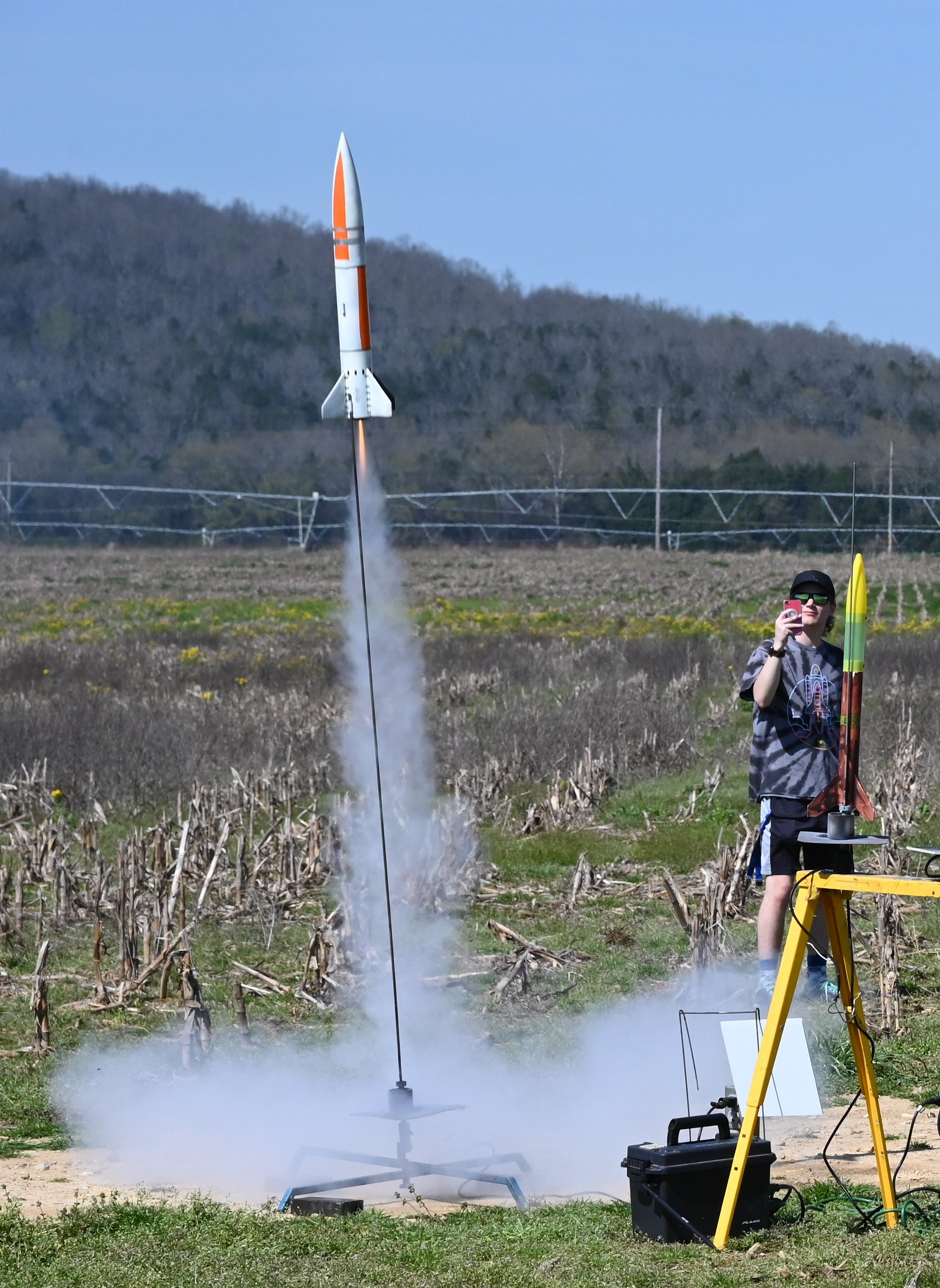
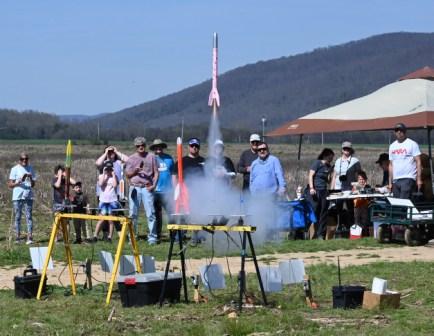
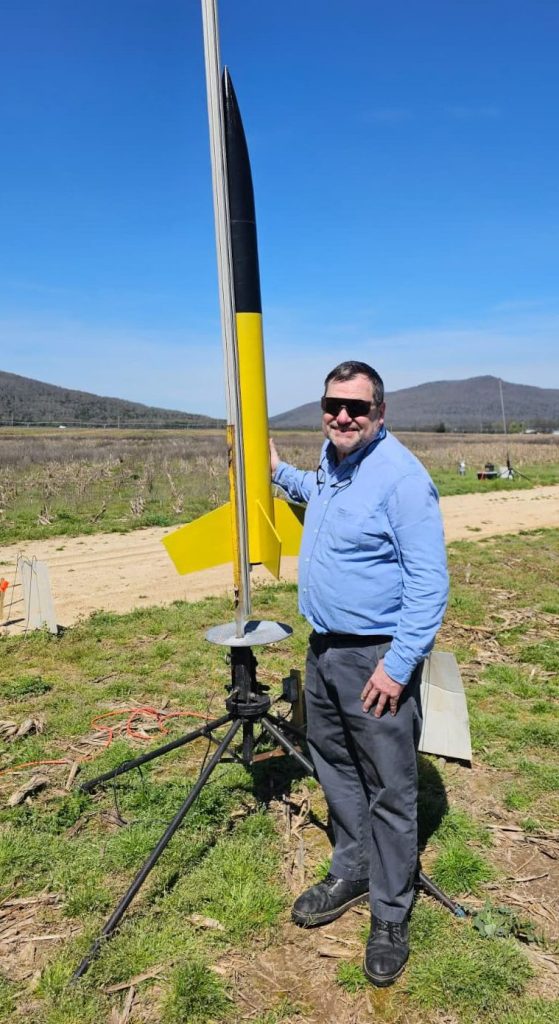
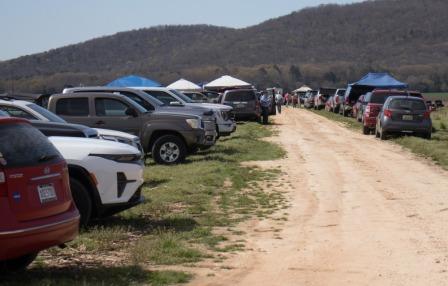
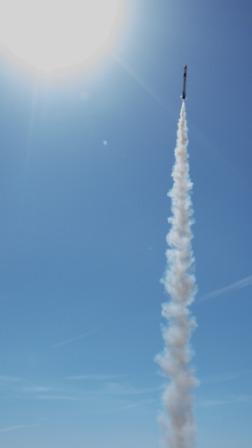
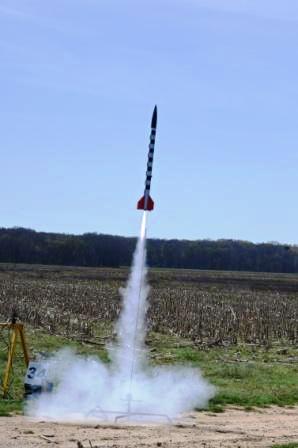
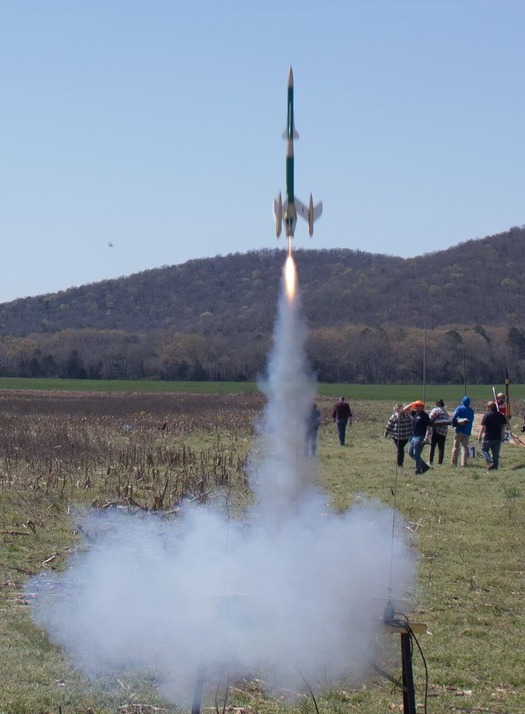
The typical turbulent March wind was absent at the 3/14 HARA club launch. The clear sky summoned a strong showing of rocketeers young and old with the range active well into the afternoon.
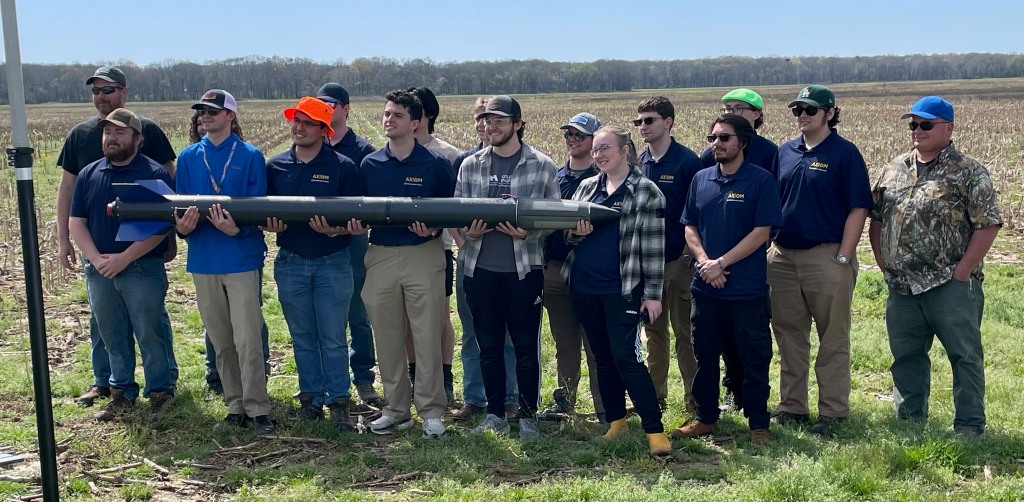
Patrick Morrison flew his liquid fueled motor commemorating the centennial anniversary of Robert Goddard’s first rocket flight. Patrick’s model went higher this day than Goddard’s. Greg Zsidisin’s Great Goblin flew on his successful level 2 qualification flight. There were plenty of big motors and certification attempts. The UAH student team launched a hefty fifty pound rocket on an L2200 motor. A total of 87 rockets were launched. The other March weather erupted two days later when it snowed.
See many more photos and video at the HARA facebook page at https://www.facebook.com/profile.php?id=100064693116419#
Category: Launches |
March Forth
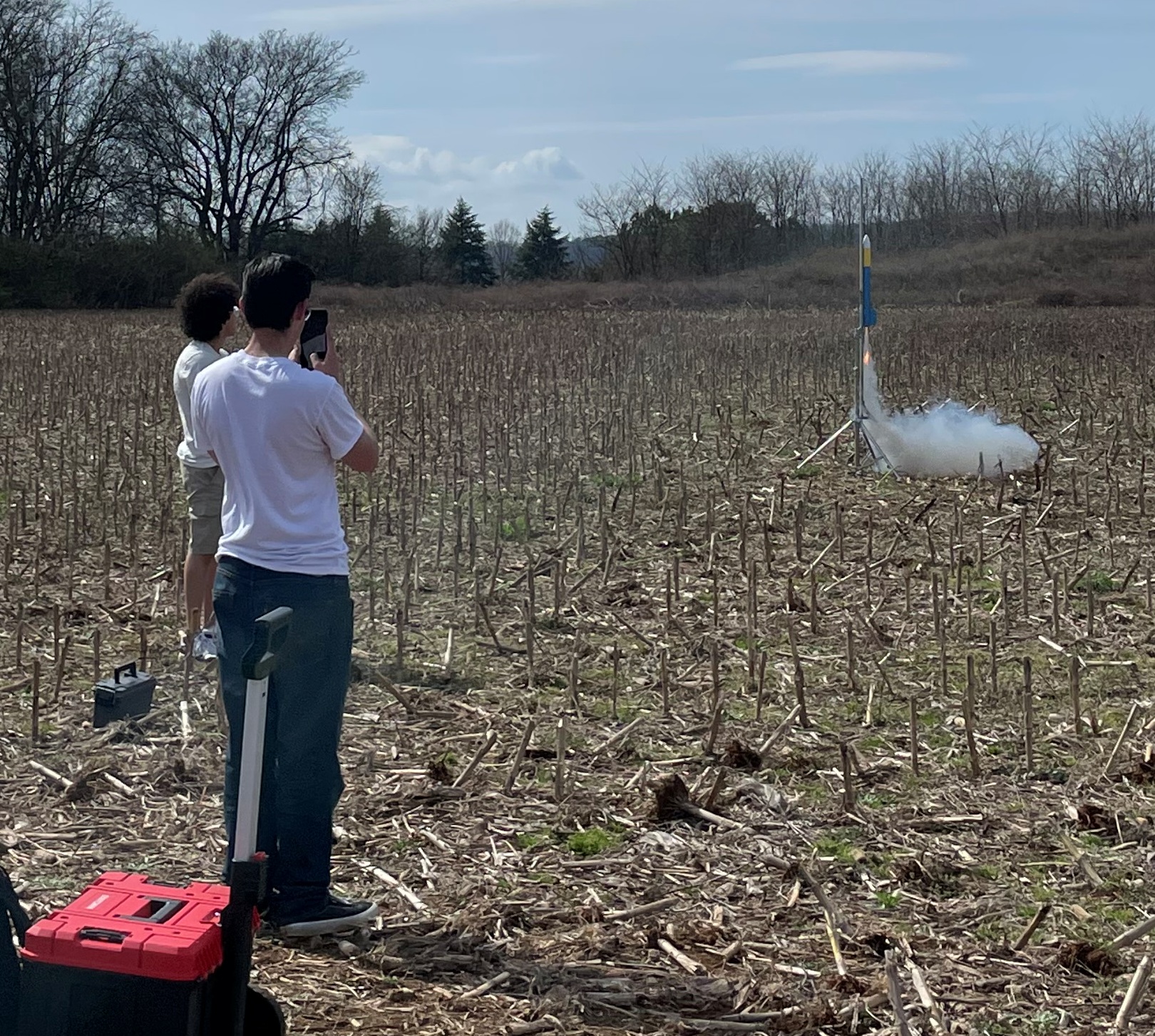
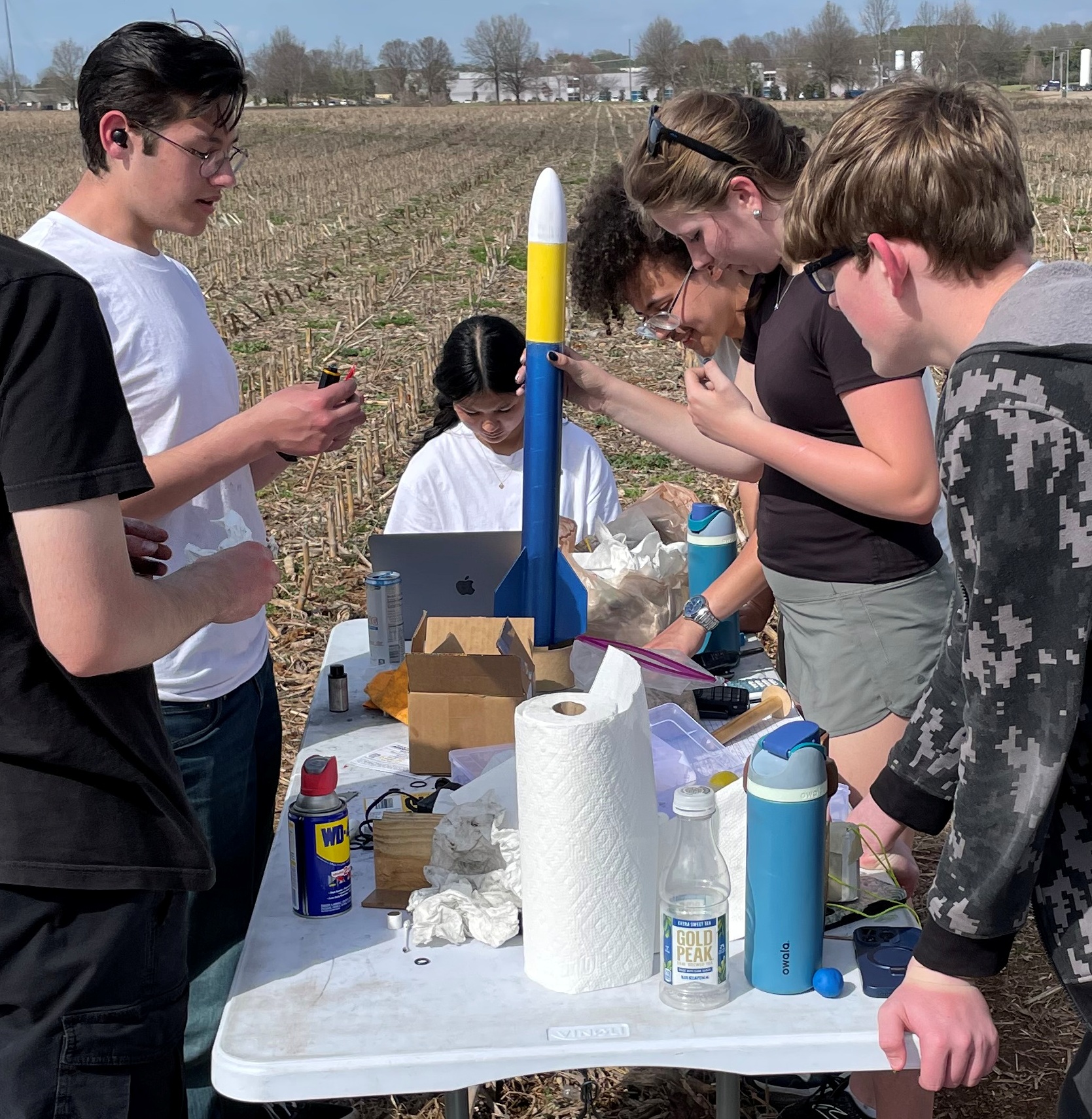
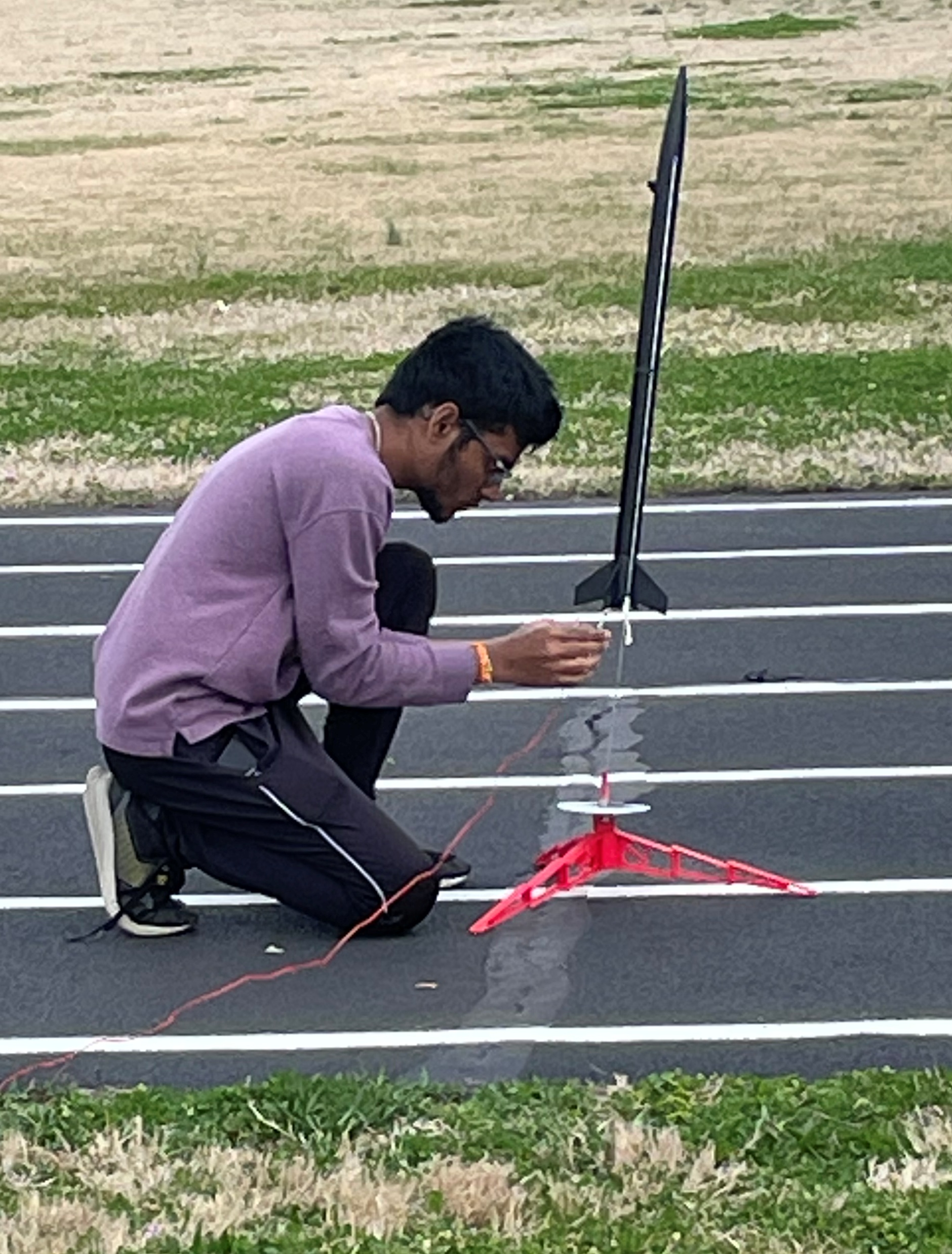
The first week of March already had HARA rocket activity. The Bob Jones HS ARC team was out on the fourth practicing and making qualification flights. They were on a roll that day and completed all three of their attempts with impressive scores of 12, 20, and 11. Later on 3/6 Akhil, Vince, Rich, and Blake did a rocket presentation, kit build and blast off at Chapman Middle School Artemis Virtual Academy. See the slideshow at https://www.facebook.com/p/Artemis-Virtual-Academy-61565767952553/

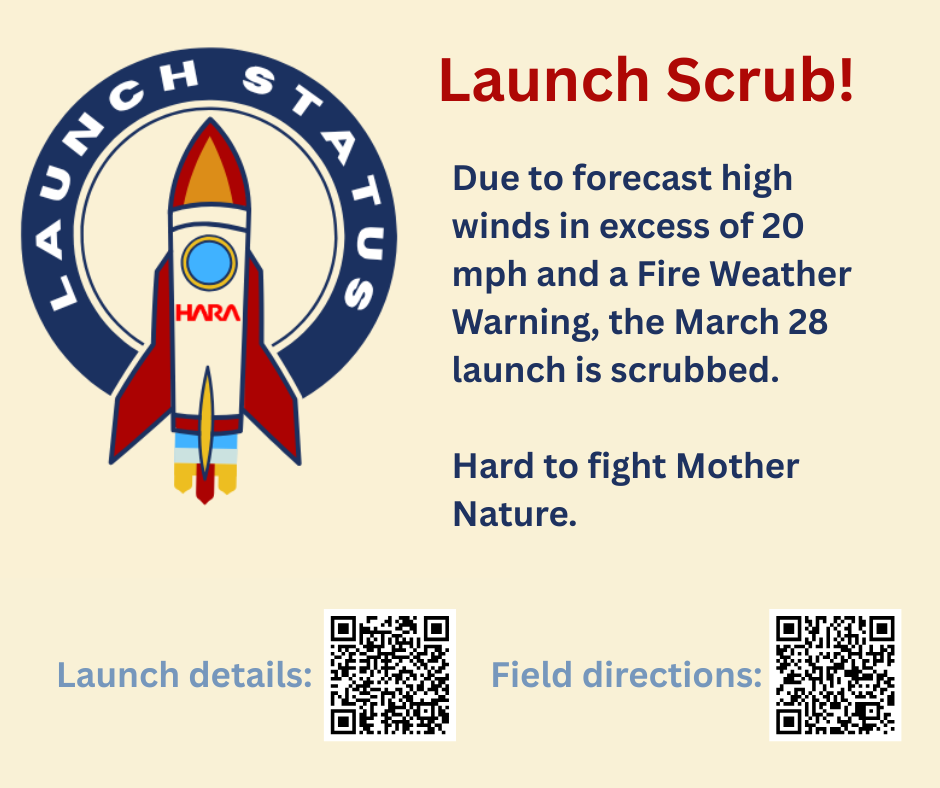
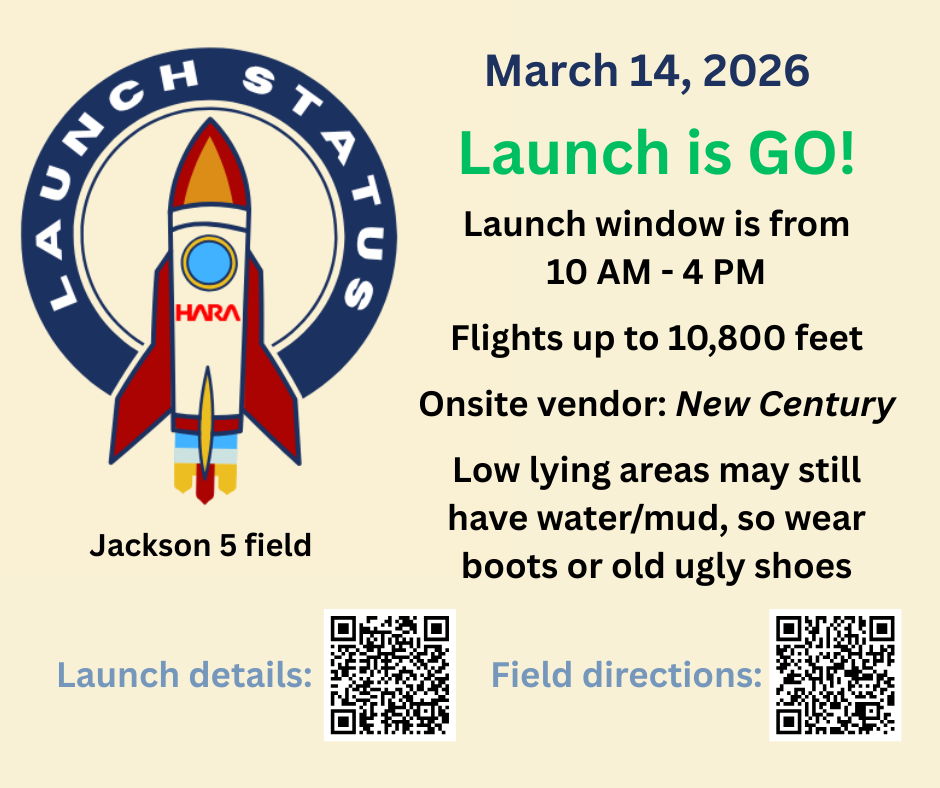
HARA has scheduled two club launches this month; 3/14 and 3/28 at Woodville. Both will celebrate the centennial anniversary of the first successful liquid rocket launch by Robert Goddard made on March 16, 1926. Read more about the Goddard launch commemoration at https://aerospaceamerica.aiaa.org/institute/countdown-to-goddard-centennial-with-new-model-rocket-for-launches/
Also, Propel Science will host a HPR launch 3/21 in Town Creek. https://propelsciencefoundation.org/launch-schedule
Category: News |